Social media, despite its often criticized role in spreading misinformation and fostering negativity, undeniably possesses the power to bring about positive change in society. Through its connectivity and accessibility, social media platforms have become vehicles for empowerment, education, and advocacy, offering hope and optimism for a better world. An example of this lies in the experiences of women in Iran, where social media has played a pivotal role in amplifying their voices and shedding light on their struggles.

In Iran, where cultural and legal restrictions often suppress women’s rights and freedoms, social media has emerged as a vital tool for female empowerment and activism. Despite facing censorship and surveillance, Iranian women have utilized platforms like Instagram, Twitter, and Telegram to share their stories, advocate for gender equality, and challenge societal norms. By sharing personal narratives, organizing online campaigns, and spreading information, these women have initiated conversations and movements aimed at dismantling oppressive structures and promoting positive change.
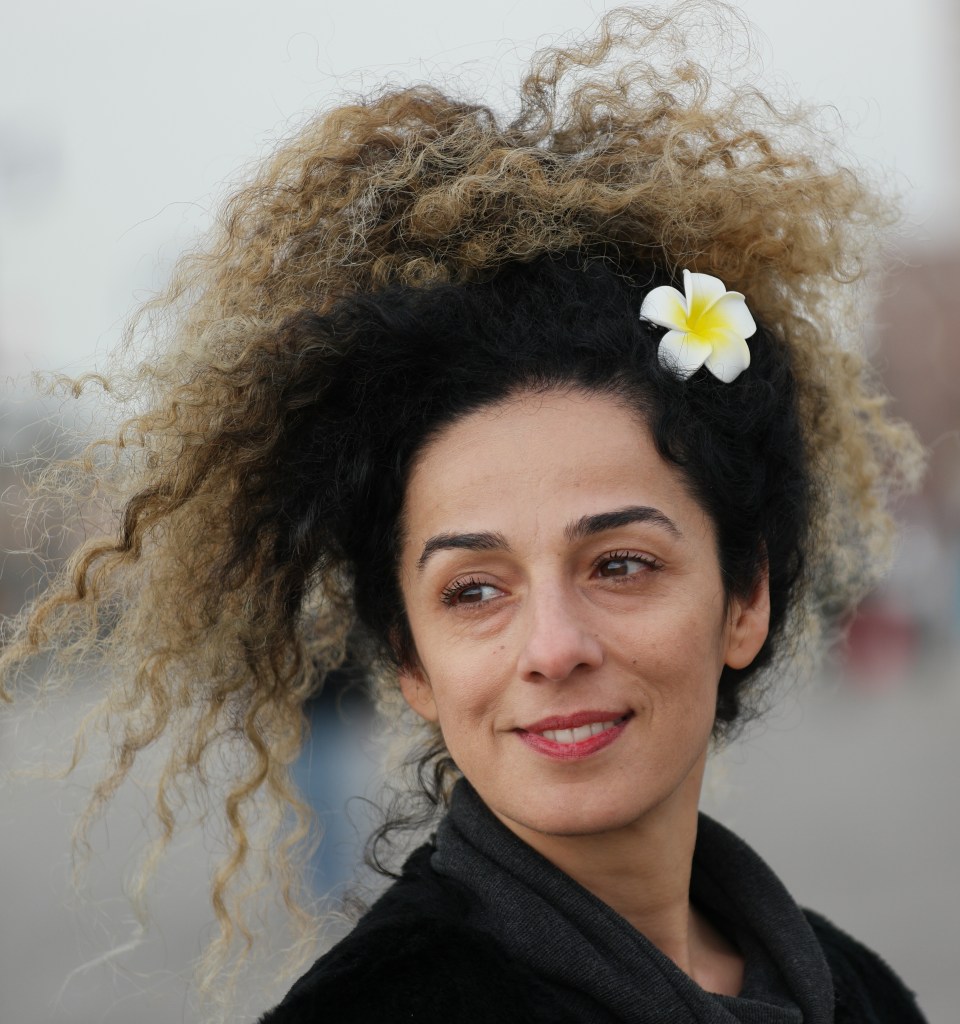
A specific example is the #MyStealthyFreedom campaign initiated by Masih Alinejad, an Iranian journalist and activist living in exile. Through social media, Alinejad encouraged Iranian women to defy mandatory hijab laws by sharing photos of themselves without them, sparking a global dialogue on women’s rights and religious freedom. Despite facing backlash and threats, these women bravely used social media to reclaim their autonomy and challenge oppressive practices, inspiring countless others in the process.
Platforms like TikTok have revolutionized the way people engage with current events, offering a unique avenue for learning and awareness. With its user-friendly interface and emphasis on short-form videos, TikTok has become a hub for sharing news, information, and perspectives in real time. This has proven particularly impactful in regions where traditional media is censored or controlled, such as Iran.
In recent years, TikTok has emerged as a powerful platform for Iranian youth to access uncensored information, express themselves creatively, and connect with global communities. From sharing updates on protests and political developments to discussing social issues and cultural trends, Iranian users utilize TikTok to bypass government restrictions and share unfiltered insights with the world. This direct and authentic form of communication has fostered empathy, understanding, and solidarity among users worldwide, breaking geographical and cultural boundaries.
Overall, the transformative potential of social media for good is evident in the experiences of women in Iran and the global impact of platforms like TikTok. Despite facing challenges and limitations, individuals continue to harness the power of social media to advocate for justice, amplify marginalized voices, and inspire positive change. As technology evolves and connectivity grows, I am optimistic in social media’s ability to create a more equitable and inclusive world.
 Rebecca Branton
Leave a comment