
I recently learned about the Kony 2012 social media campaign, and at first watch, I was surprised I hadn’t seen it before. This 30 minute video had me intrigued from the beginning; learning about Joseph Kony’s actions made my heart sink, but seeing the organization’s interactions with government representatives and Gavin’s innocent optimism had me hopeful.
After watching the video, I searched what ended up happening to Kony, given that the video is over a decade old and he must’ve been held accountable by now, right? Wrong. The warrant for his arrest was first issued in 2005, and courts have gone back and forth since, according to the International Criminal Court.

How can this be possible? Millions of people viewed Invisible Children’s documentary-style video and were bound to have the same emotional response as me. Then, it hit me; this is the bystander effect on social media steroids. Because this video blew up so quickly, most of those watching likely assumed that there were enough hands in the fight already.
Despite the effort to call on individuals directly, the video was highly group-oriented and described grand gestures of activism like posting Kony’s face all around your town. After hitting the share button, what more could someone do in that moment? If you spent 30 minutes watching the video, why watch it again? The video came and went in the span of a few days, with criticisms of the delivery following closely behind.
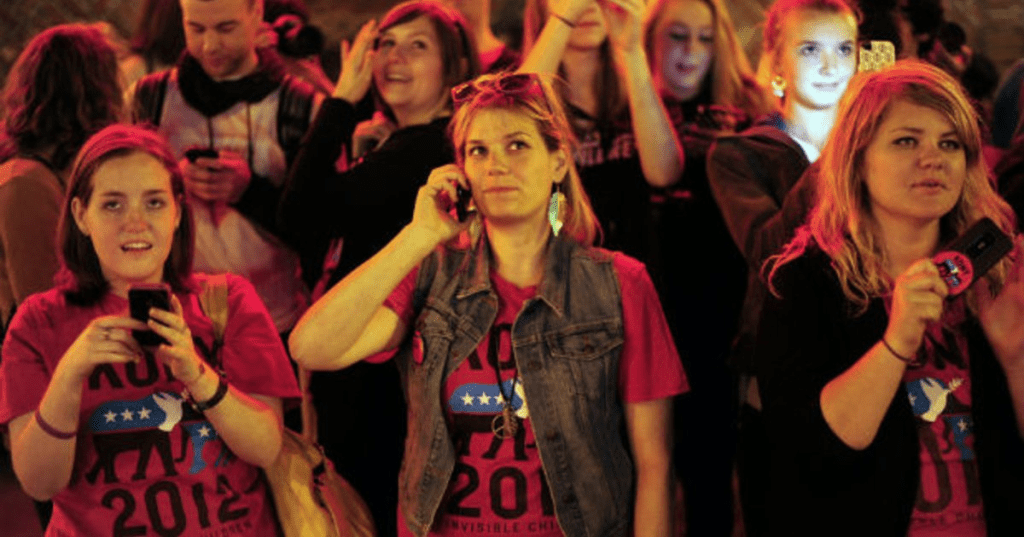
Moving forward, we’ve learned from this campaign that expensive video production and simplifying an issue to fit within a certain narrative isn’t the way to go. Instead, providing reliable information and raising awareness in a more organic way can be all it takes to start a movement.
 Rebecca Branton
Leave a comment