
I got my first smartphone when I was thirteen. My iPhone 4 proudly sported a hot pink, zebra print case. I was so excited to be able to watch videos, create an Instagram account, and text my friends from the same device. Little did I know, a decade later, I would be unhealthily dependent on this stupid metal rectangle.
Some days, I surprise myself. Today is one of those days. I only picked my phone up a whopping 58 times, according to my phone’s screen time feature that lovingly tells me exactly how much time I’ve spent on my phone. If you were to ask me how many times I thought I picked up my phone, I’d say about 15. I’ve become so out of touch with my phone habits, as if it’s an appendage fused to my palm.
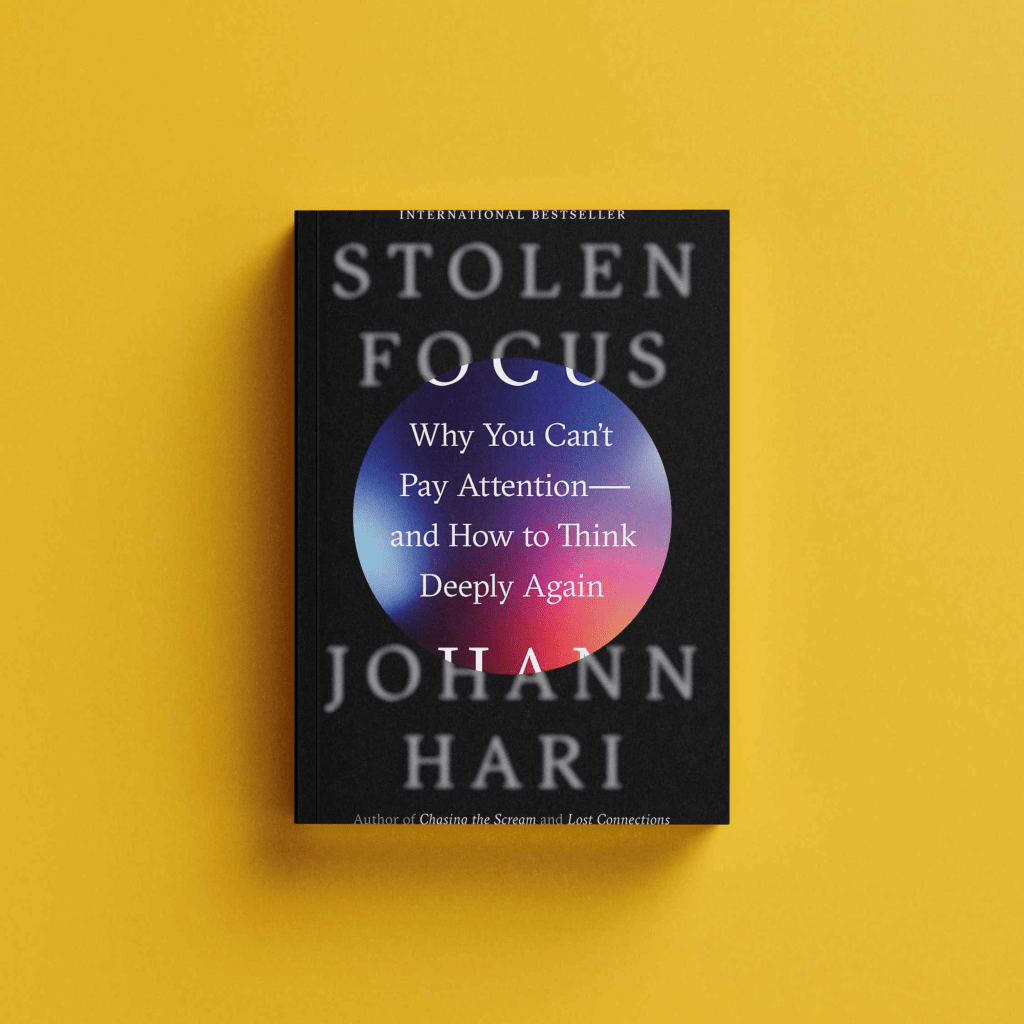
I was given a sliver of hope after reading the first few chapters of Stolen Focus: Why You Can’t Pay Attention and How to Think Deeply Again, by Johann Hari. Despite it seeming like everyone around me is doing just fine in their relationship with technology, most people feel the same way I do: frustrated with their anxious attachment and dependency. Over the past few years, I’ve worked on limiting my screen time and being present in the moment. When I was a teenager, though, I would waste days away scrolling.
I sympathize with Johann’s godson when he admits, “I know something is wrong, but I have no idea how to fix it” (Hari, p.8). Only now are we truly seeing the harm that comes from social media. My parents never understood why I was always glued to my phone growing up, but now they spend their evenings scrolling TikTok. Our attention span has become microscopic, and truly focusing has become obsolete.
This week, I was introduced to a New York Times Attention Test, where you are challenged to spend ten minutes with a painting, uninterrupted.This exercise was the complete opposite of how I typically interact with digital art and media. I may pause for a few seconds if something catches my eye, but seeing art on a screen doesn’t compare to being in front of a painting physically.
Because I was able to zoom in and see the “human-ness” of the painting, like the brush strokes and canvas texture, this exercise wasn’t difficult for me. Looking at paintings is something I enjoy, but usually in person. I could stand in front of a painting for quite a long time, taking in the tiny details that can’t be conveyed through a screen. Once the timer began, I felt almost giddy to be given a reason to sit with one painting for 10 minutes.
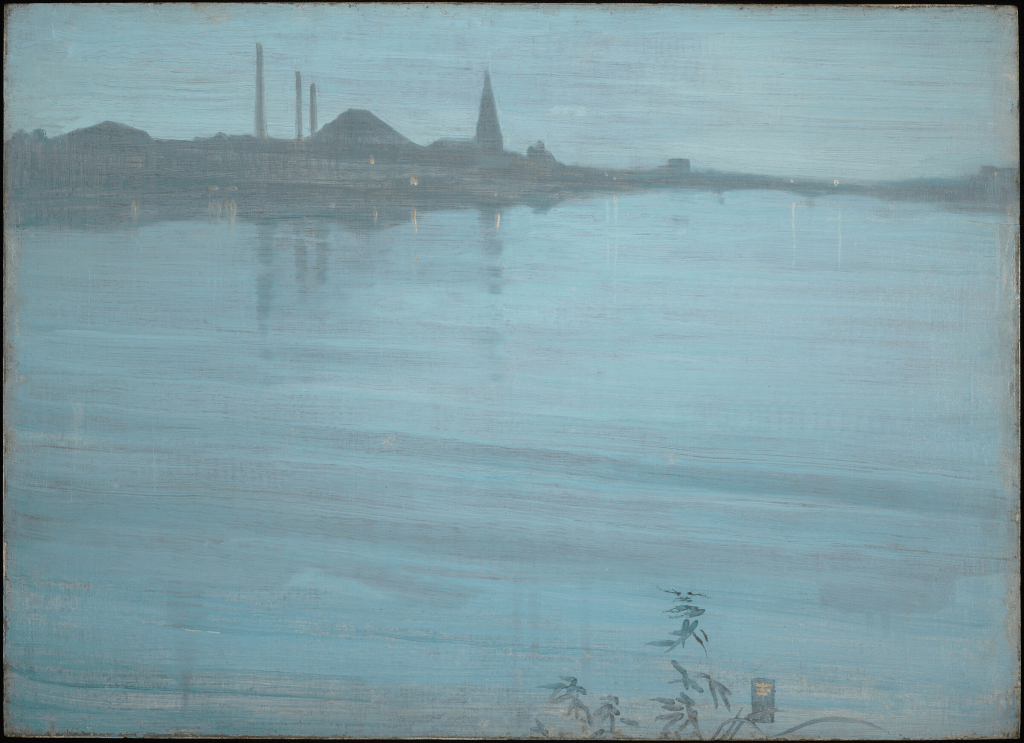
Taking 10 minutes out of my day to look at one painting felt like a sigh of relief, surprisingly. I was given permission to stop and smell the roses. If it wasn’t presented as a challenge, I don’t think I would make it through the full ten minutes because I wouldn’t be able to justify completing the task just for the fun of it; I would convince myself it’s a waste of time.
Because of my self-induced social media whiplash, I can’t remember the last time I let myself be engulfed by the details of something that interested me. Allowing myself to slow down, truly observe, and explore the painting was like pressing a reset button. We are constantly suffocated by new breakthroughs, trends, and products being shoved down our throats. If we gave ourselves permission to truly engage with the present, we might stop holding our breath.
The New York Times Attention Test started out with me thinking I needed to focus on the painting, but it turned out that I actually wanted to. I think changing my mindset from seeing focus as a dreadful task to something I do because I would like to dig deeper could help me direct my attention more effectively. Instead of rushing to provide quick answers or only half listening to someone talking, reminding myself that I want to be fully engaged might be a step in the right direction.
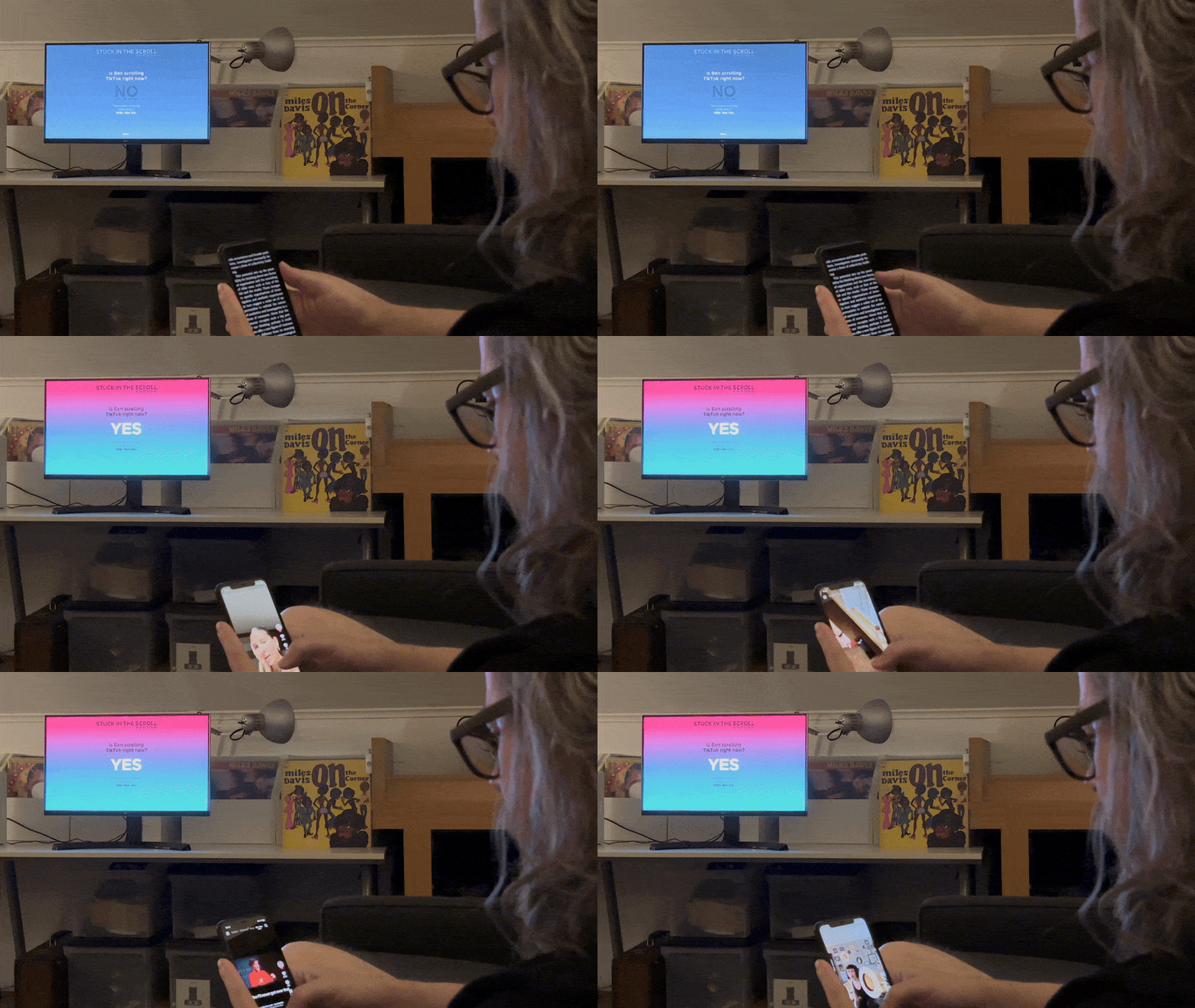
Another interesting find of this week is a project by artist and professor Ben Grosser, called Stuck in the Scroll. He reveals to the internet that he has a serious TikTok problem, so he developed a way to publicly showcase when he is scrolling TikTok in real time. I’ve always heard that acceptance is the first step toward recovery, and I think it can apply to this piece. Even though we are usually the most critical of ourselves, we also struggle to hold ourselves accountable.
By admitting to the public that you’re dealing with a problem, the secret is no longer yours. It feels way worse to let others down than yourself. Public accountability makes an individual feel more vulnerable compared to self reflection, so the stakes feel higher. As social creatures, we all care about how others perceive us to some degree. Sharing struggles and difficult habits with the world instantly induces a reality check.
When viewing his website, I was immediately horrified by what would show if I plugged in my usage. Over the past week, I’ve been thinking about my metaphorical website flicking to “YES” any time I begin to scroll, and I think this has deterred me (at least a little) from mindlessly scrolling.
My major take away from the findings of this week is that sustained focus and limited screen time is difficult for most people to achieve, and for good reason. We see technology everywhere we turn, and the thought of going without is uncomfortable. I’m challenging myself to do the exact opposite of what it would take for my tombstone to read, “I tried to live, but I got distracted” (Hari, p. 8.).
Sources
Grosser, Ben. “Stuck in the Scroll.” Stuckinthescroll.com, 2024, stuckinthescroll.com/. Accessed 2 Sept. 2024.
Hari, Johann. Stolen Focus: Why You Can’t Pay Attention and How to Think Deeply Again. Crown, 2022, p. 8.
Paris, Francesca, and Larry Buchanan. “Test Your Focus: Can You Spend 10 Minutes with One Painting?” The New York Times, 20 July 2024, http://www.nytimes.com/interactive/2024/07/20/upshot/attention-experiment.html. Accessed 2 Sept. 2024.
 Rebecca Branton
Leave a comment