
Have you ever built a virtual character to act as your avatar and wondered what that person might be like in real life? Would they share your interests? How would they go about being human? If you have, creating user personas might be right up your alley. User personas are fictional representations of a target audience, created by using data gathered from research. They embody the characteristics, motivations, and goals of real users, helping designers and marketers understand who they are creating products or services for. Each persona typically includes demographic details (like age and location), behavior patterns, preferences, struggles, and goals. These personas serve as a reference point throughout the design and development process, guiding decisions and ensuring that the end product resonates with its intended users.
UNDERSTANDING USER PERSONAS
Creating user personas involves gathering qualitative and quantitative data through various means, including surveys, interviews, user testing, and market research. The goal is to distill this information into a few archetypes that capture the essence of different user segments. For instance, a tech-savvy young professional might be one persona, while a busy parent with limited tech experience might be another. Each persona is often given a name, photo, and background story, making them more relatable and memorable for a team developing solutions for user needs.

IMPORTANCE OF USER PERSONAS
Enhanced Empathy: One of the most significant benefits of user personas is that they foster empathy among designers, developers, and marketers. By visualizing who the users are, teams can better appreciate their needs and what it may take to meet them. This empathy drives more user-centered decisions to be made and prioritizes features or services that genuinely improve the user experience.
Focused Design and Development: User personas help streamline the design process. With a clear understanding of the target audience, designers can prioritize features that align with user needs. This focus minimizes the risk of feature creep—where too many unnecessary features are added—and helps maintain a clean, user-friendly interface.
Effective Communication: Personas serve as a common language among cross-functional teams, ensuring that everyone is on the same page regarding who the user is. They help to bridge gaps between different disciplines, from marketing to development, by providing a tangible representation of the end user that all team members can refer to. This alignment is crucial in ensuring that product development stays user-centered.
Informed Marketing Strategies: User personas are invaluable in shaping marketing strategies. By understanding the motivations and behaviors of target users, marketers can create more targeted messaging and campaigns. Personas can guide decisions on which channels to use, the tone of the messaging, and the types of content that will resonate with specific user segments.
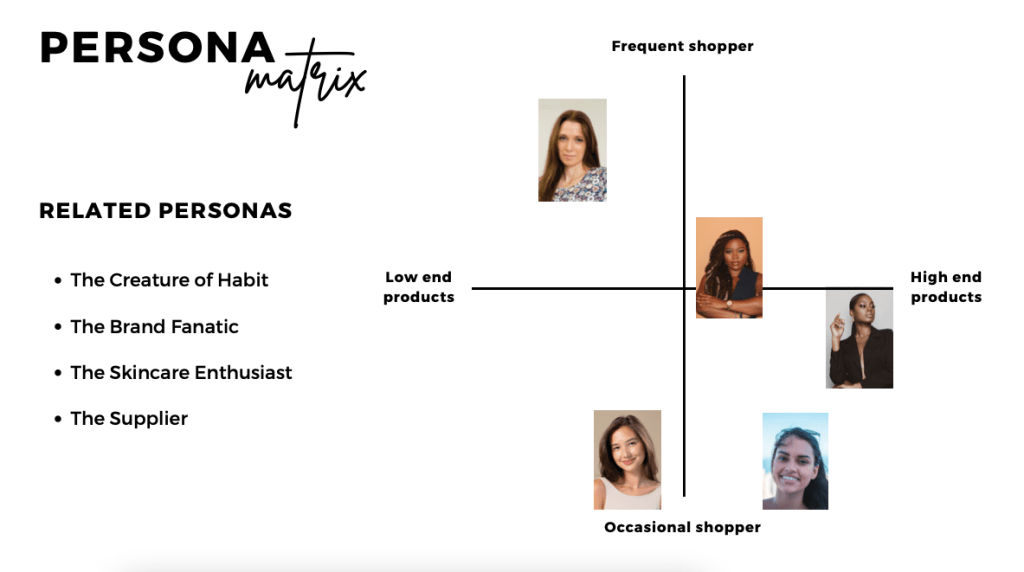
Identification of User Pain Points: Personas help in identifying and understanding user pain points. By delving into the challenges and frustrations that different personas face, teams can create solutions that directly address these issues. This focus on problem-solving can enhance user satisfaction and loyalty, ultimately leading to better product adoption.
Testing and Validation: User personas can also inform the testing phase of product development. When conducting usability tests or gathering feedback, teams can refer back to personas to ensure that the product meets the needs of the target audience. This approach leads to more relevant insights and a stronger final product.
Adaptability and Evolution: As user needs and market conditions evolve, so can user personas. Regularly revisiting and updating personas ensures that they remain relevant, allowing teams to adapt their strategies and offerings in response to changing user behaviors and preferences.
To sum it all up, user personas are essential tools in creating user-centered products and services. They enhance empathy, streamline design processes, improve communication among teams, inform marketing strategies, identify user needs, and support testing and validation. By anchoring decisions in a deep understanding of users, organizations can deliver more meaningful experiences that not only meet but exceed user expectations. As businesses strive to create impactful products in an increasingly competitive digital landscape, the importance of user personas cannot be overstated. They are more than just fictional characters; they are critical to the success of any user-focused endeavor.
To view my example of two different personas for Ulta, click here.
 Rebecca Branton
Leave a comment