
I’ll be the first to admit that freelancing was never part of my original career plan. To some, being your own boss sounds like a dream come true. You can set your own hours, charge what you want, and only work with clients of your choosing. While at the most basic level this is true, there’s a lot more that goes into it. I’m still a relatively new freelancer with only a year under my belt, but I’ve learned some pretty important things that may help others considering freelancing as a career path.

Despite building a comfortable list of clients, work isn’t always steady. Sometimes I do a lot of waiting around and take that time to update my platforms and find ways to diversify my income. Other times, I’m neck deep in projects and have to juggle what takes priority. When I first started freelancing, I heard the phrase, “it’s either feast or famine” more than once. I was hesitant to go the freelancing route because of this, but I quickly learned it wasn’t one versus the other; it’s the inevitable cycle for any freelancer. If a steady paycheck every two weeks is what you’re after, freelancing may not be ideal for you.

Before establishing any clients, setting your hourly rate is necessary to begin marketing yourself. This rate can depend on where you’re located and your experience level, so some research may be necessary to see what the average rates in your area look like. Because I’m still relatively new at being a freelancer, my rate ranges from $30 to $60 an hour depending on the type of work involved. Quoting an estimation of how much time a project will take you can be tricky, so maintaining transparency with your client throughout the project is crucial.

Being your own boss and setting your own hours is all fun and games until you’re the one solely responsible for the turnaround time on projects. Keeping a list of projects and their urgency will help you prioritize properly. This also means you may have to tell clients about longer wait times for nonurgent projects. This can be uncomfortable, but most clients will understand.

Some clients will come to you expecting that you can pull out exactly what’s in their brain and turn it into a perfect design. This leads to countless revisions and some frustration on both ends. Having a list of questions to ask them can be helpful in identifying the key components they’re looking for and encouraging the client to do some preliminary research. Despite this, all clients are different and patience must be kept in the most frustrating times.
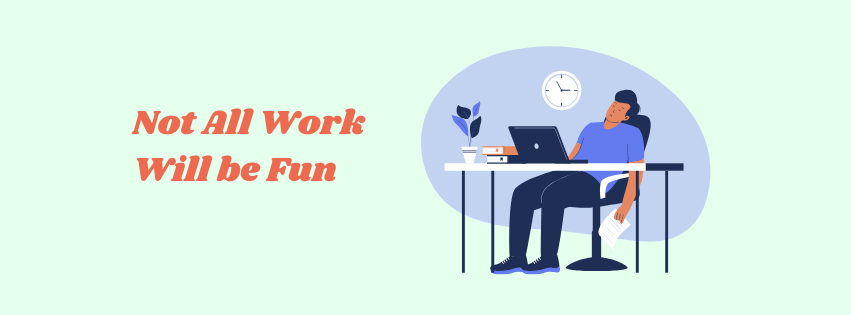
When starting out as a freelancer, any project is a good project. This may mean that you work solely on business cards for six months. This may not be the most engaging or exciting, but these designs are necessary and will put dinner on the table. Remember that more simple projects can lead to some of your most exciting work, so don’t discount the business card request that comes your way.
Despite the listed downsides of freelancing, it can be a great option for those looking to add variety to their work and connect directly with clients. You get out of it what you put in, so establishing yourself as a reputable designer will get you far!
How do you feel about freelancing?
 Rebecca Branton
Leave a comment