
If you’ve been freelancing for any length of time, you’ve likely encountered a difficult client or two. Whether it’s someone who constantly requests “just one more revision,” disappears halfway through a project, or provides vague, conflicting feedback — these situations are, unfortunately, part of the freelance experience.
The good news? You can navigate them gracefully. Managing challenging clients with professionalism not only protects your time and energy, but also strengthens your reputation as a reliable creative partner. Here’s how to handle it when things get complicated.

In many cases, the warning signs appear early. Some common red flags include:
- Vague project briefs that later become overly specific
- Requests for free samples or “test work”
- Delayed or inconsistent communication
- Unrealistic deadlines or budgets
Trust your instincts. If a project feels off from the beginning, it’s okay to ask clarifying questions or to walk away before it becomes a bigger issue.
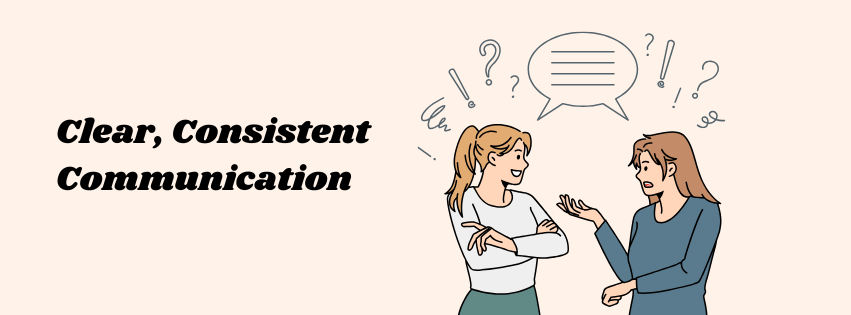
Many client issues stem from miscommunication, especially in creative work where subjective feedback is the norm. Establish a clear process early on:
- Outline your workflow and what clients can expect at each stage
- Set boundaries around timelines and availability
- Keep all communication and assets organized in a shared tool or platform
Don’t hesitate to clarify vague feedback. For example: “Thanks for the input! When you mention you’d like the design to ‘stand out more,’ are you referring to color contrast, layout, or something else? I’d love to better understand your vision.”
This shows professionalism while guiding the client toward clarity.
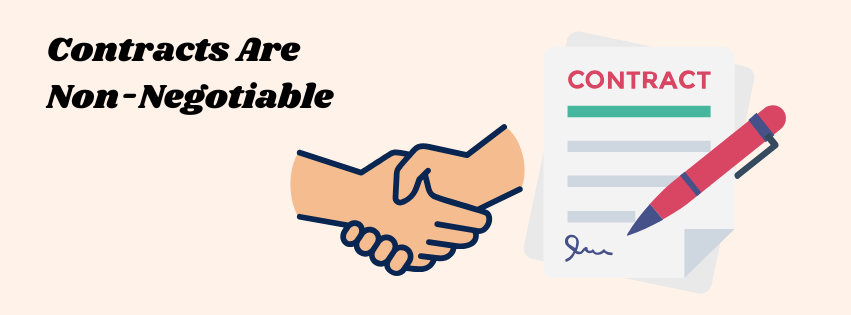
A well-drafted contract is your safety net. It should clearly define:
- Project scope
- Number of revisions
- Timelines and deadlines
- Payment terms
- Policies around delays, cancellations, or scope changes
If issues arise, you’ll have a written agreement to reference. This helps remove emotion from the equation and keeps things focused on facts. This post is a great resource when figuring out what to include in your contract!

It’s easy to get frustrated when a project becomes more stressful than expected, but staying calm and composed is key. When responding to difficult messages or feedback:
- Take a moment before replying
- Keep your language neutral and respectful
- Offer solutions or compromises that keep the project moving forward
Remaining solution-oriented builds trust, even in tense situations.

Sometimes, despite your best efforts, a client relationship isn’t salvageable. If a project becomes toxic, overly time-consuming, or starts affecting your other work, it’s okay to walk away (respectfully and professionally).
Here’s one way to do it: “After reviewing our progress and communication so far, I believe I may not be the best fit for this project moving forward. I’d be happy to recommend another designer who may better align with your needs.”
Setting boundaries is not only healthy, but essential for long-term success.

Challenging clients are part of the freelance journey, but they don’t have to derail your progress. With the right systems, communication strategies, and professional boundaries in place, you can manage even the most difficult situations with confidence.
To see a few detailed accounts of tricky clients from other designers, this blog has a few stories that might resonate with you!
Over time, these experiences become learning opportunities, which helps you refine your process, spot red flags earlier, and attract the types of clients who truly value your work.
Have you ever had to manage a tricky client situation? How did you handle it? Your insights might help another freelancer navigate the same challenges.
 Rebecca Branton
Leave a comment