
In recent years, the rapid expansion of Dollar General stores across the United States has prompted concern among policymakers, researchers, and community advocates due to their relationship with food insecurity. While Dollar General stores often fill retail gaps in underserved areas, their proliferation in food deserts, particularly in low-income and minority communities, raises questions about accessibility, nutrition, and equity.
The Expansion of Dollar Stores in Underserved Areas
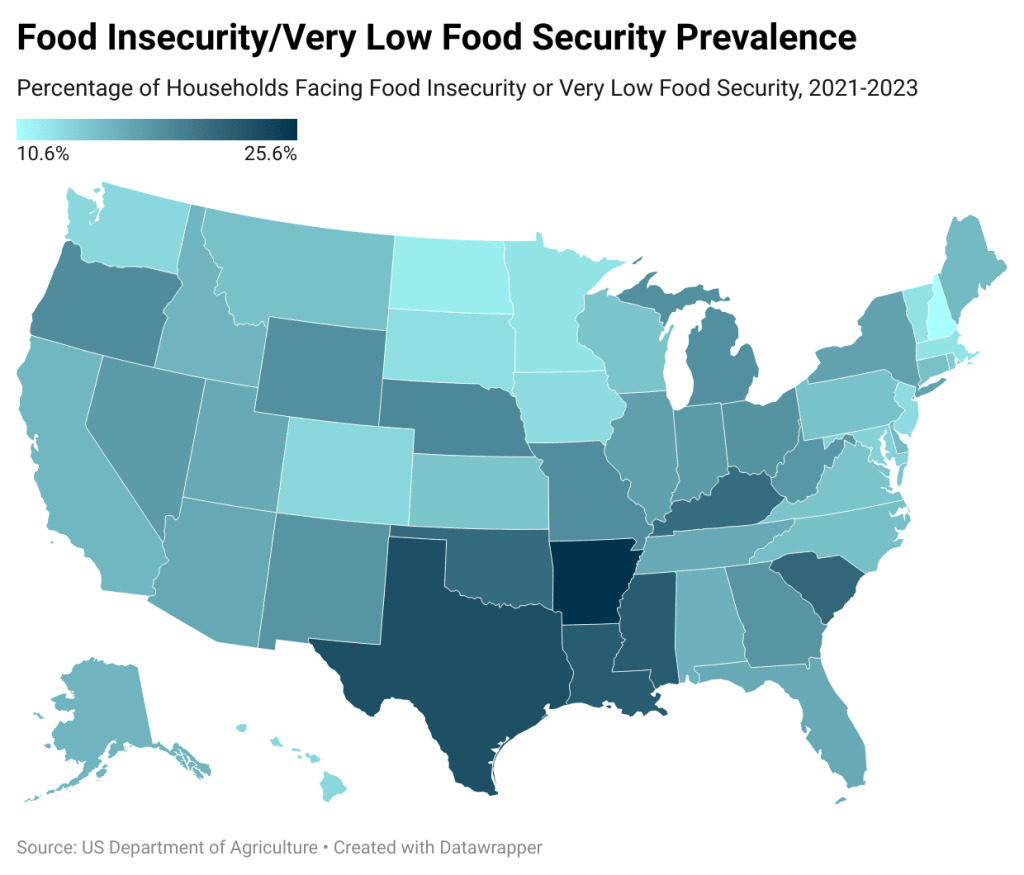
Dollar General, along with similar chains like Dollar Tree and Family Dollar, has expanded aggressively over the past decade. From around 18,000 locations in 2009, Dollar General now operates nearly 30,000 stores nationwide, with plans for continued growth. This expansion is most visible in regions lacking access to full-service grocery stores, commonly known as food deserts. In these areas, Dollar General often emerges as one of the few available retail options for residents.

However, the convenience of Dollar General comes at a cost. These stores tend to carry low-cost, non-perishable, and heavily processed foods while offering little to no fresh produce, lean meats, or dairy. As a result, residents in these areas may face severely limited access to nutritious food, exacerbating health disparities such as obesity, diabetes, and heart disease.
Economic Impact and the Displacement of Local Grocers
Beyond nutritional concerns, the presence of Dollar General often contributes to the economic decline of local grocery markets. By leveraging low overhead and centralized supply chains, Dollar General can undercut prices that local grocers cannot match. In places like Louisville, Kentucky, local store owners have reported dramatic losses in revenue following the arrival of nearby dollar stores, sometimes forcing them to close altogether.
This displacement of community grocers not only reduces the availability of fresh and healthy food but also removes crucial sources of employment and economic activity. In this sense, the growth of Dollar General can unintentionally undermine the very communities it seeks to serve.
A Pattern of Racial and Economic Segregation
A deeper analysis reveals that Dollar General’s expansion is not evenly distributed across the U.S. Research conducted by the University of Georgia and other institutions has shown that these stores disproportionately appear in predominantly Black, Latino, and low-income neighborhoods. This pattern echoes the legacy of redlining and reflects a troubling continuation of systemic neglect in historically marginalized communities.
Dollar General’s Response: A Mixed Picture
In response to criticism, Dollar General has made notable efforts to address its role in food insecurity. One initiative, known as DG Fresh, aims to expand the availability of refrigerated and fresh food in thousands of locations. As of 2024, over 1,300 stores offered produce, and the company has pledged to bring that number up to 10,000.
Dollar General has also partnered with Feeding America to donate food and resources to communities in need. This partnership has delivered over 37 million meals across more than 1,000 U.S. counties. The company has also introduced new store formats like DG Market which offer affordable produce, meats, and dairy in food deserts previously lacking such options.
While these initiatives mark a shift in corporate strategy, critics argue they do not go far enough. Many stores still lack meaningful access to healthy foods, and community advocates remain skeptical of whether these changes can keep pace with the damage already done to local food ecosystems.
Navigating a Complex Trade-Off
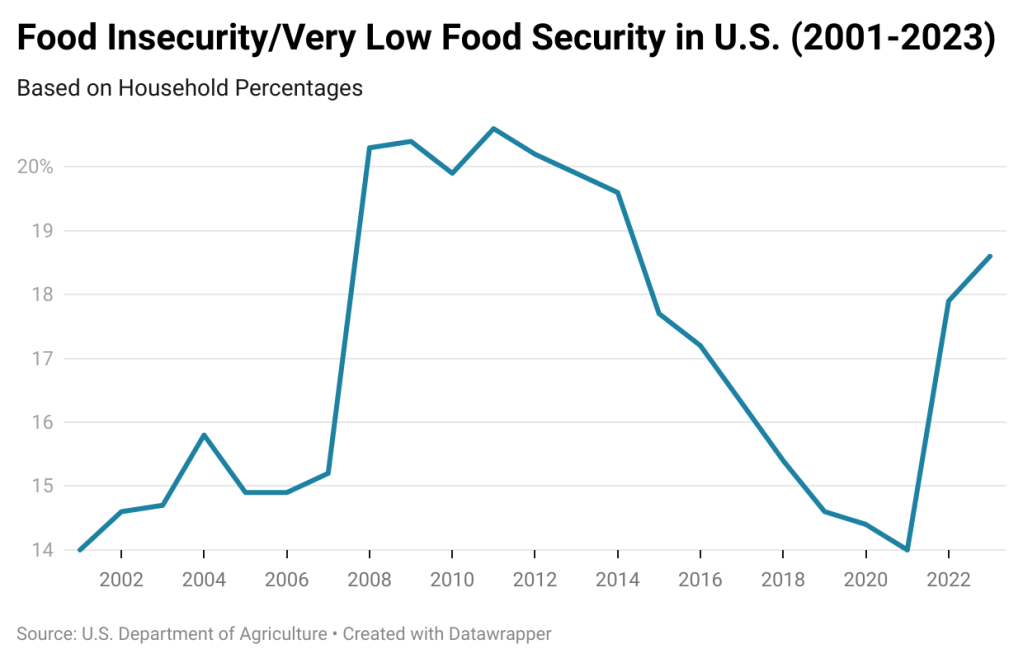
The correlation between Dollar General locations and food insecurity is not merely coincidental; it reflects a confluence of economic, racial, and public health issues that demand careful attention. On one hand, Dollar General provides a form of retail access in communities that have long been neglected by traditional supermarkets. On the other hand, their presence often solidifies patterns of nutritional inequality and economic disinvestment.
If Dollar General is to be part of the solution to food insecurity, it must take greater responsibility for the nutritional quality of its offerings and the broader impacts of its market strategies. This means expanding fresh food access, supporting local economies, and engaging communities directly in planning and development. Only then can the promise of access evolve into a foundation for health, dignity, and equity in America’s most vulnerable neighborhoods.
 Rebecca Branton
Leave a comment