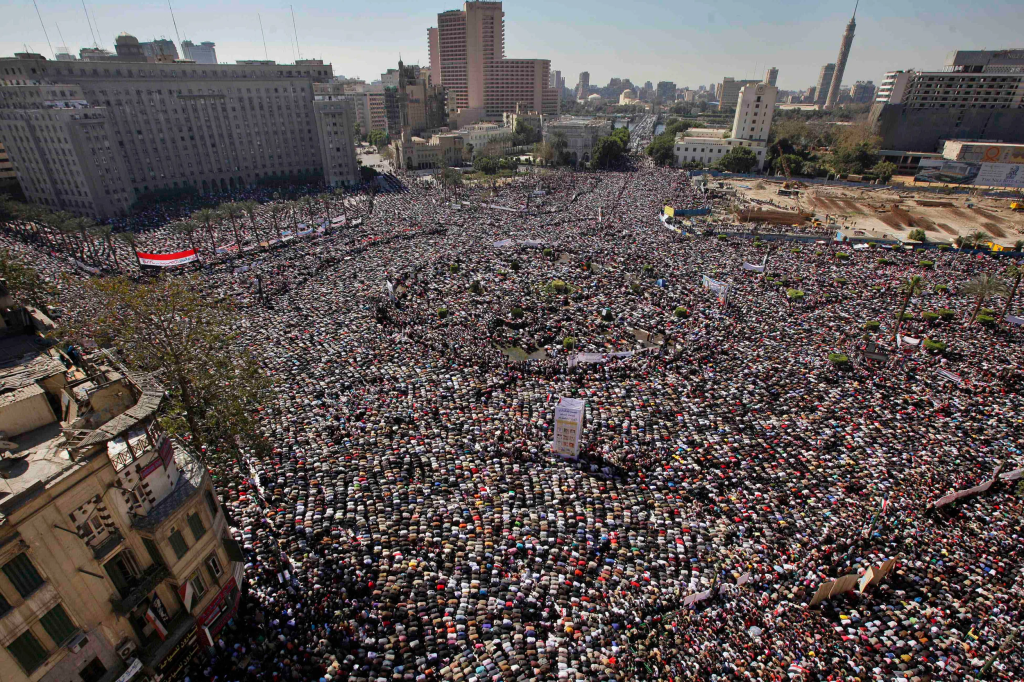
Social media has undeniably reshaped the landscape of activism and advocacy, offering unprecedented avenues for mobilization, organization, and the distribution of information. The potential of social media to catalyze change and challenge oppressive regimes was vividly demonstrated during the Arab Spring, a series of uprisings and protests across the Middle East and North Africa that began in late 2010. This movement not only showcased the power of social media in mobilizing masses but also highlighted its limitations and complexities in effecting lasting change.
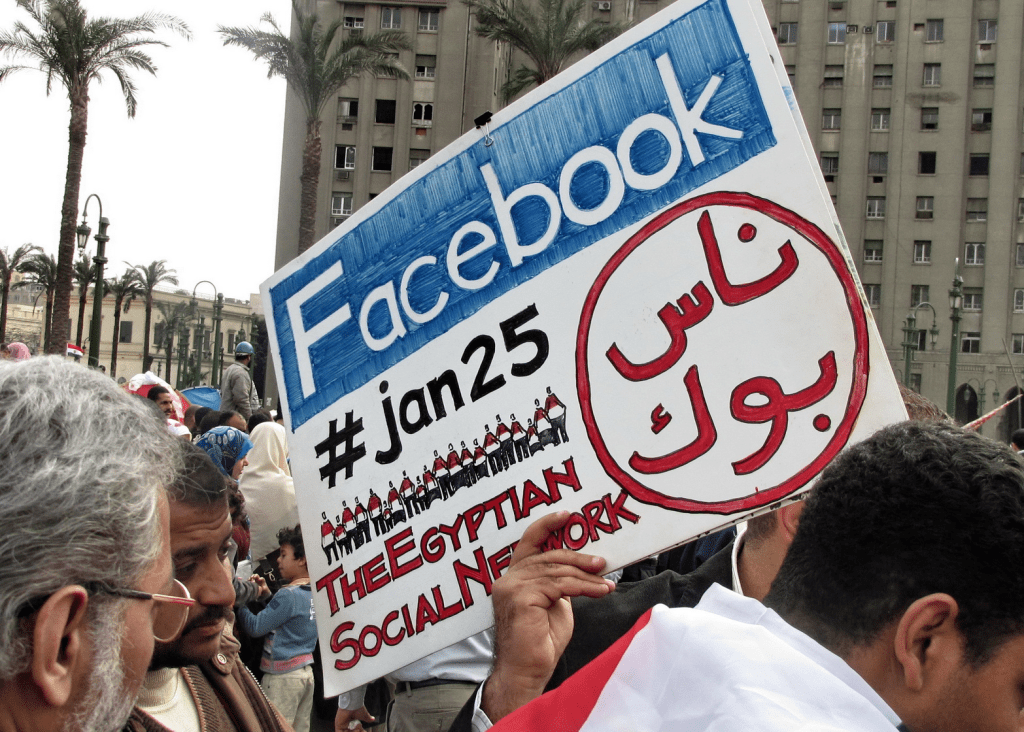
The Arab Spring was a watershed moment in the history of digital activism. Platforms like Twitter, Facebook, and YouTube became vital tools for protesters to coordinate demonstrations, share images and videos of government crackdowns, and project information to both local and global audiences. These platforms facilitated the rapid spread of ideas, enabling protesters to bypass state-controlled media and connect with like-minded individuals both domestically and internationally. At a time when speaking out about their governments was forbidden, social media platforms gave citizens a voice and the ability to connect with one another on a global scale. The hashtag #ArabSpring became a symbol of resistance, harnessing support and solidarity across borders.
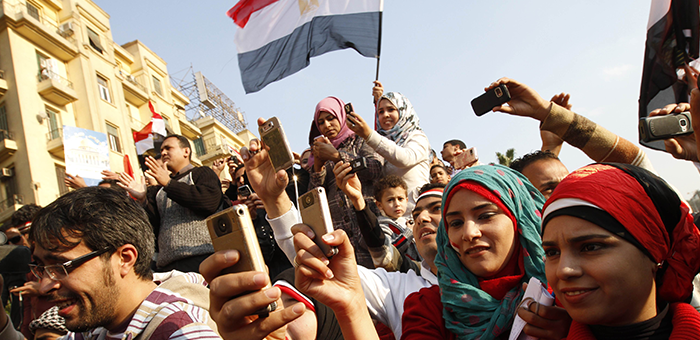
One of the most iconic examples of social media’s role in the Arab Spring was the case of Egypt. In 2011, mass protests erupted in Cairo’s Tahrir Square, demanding the removal of President Hosni Mubarak, who had ruled Egypt for nearly three decades. Social media platforms played a pivotal role in organizing and amplifying these protests, enabling ordinary citizens to document and share their experiences in real time. Images and videos of police brutality and government crackdowns circulated widely on social media, garnering international attention and disapproval.
The Arab Spring demonstrated the power of social media to mobilize mass movements and challenge established power structures. However, it also emphasized the limitations of relying solely on digital platforms for effecting lasting change. While social media played a crucial role in sparking initial uprisings, it was not sufficient to bring about meaningful political reform or ensure the long-term stability of newly formed governments.
In the aftermath of the Arab Spring, many countries that experienced uprisings descended into chaos or saw a resurgence of authoritarianism. In Egypt, for example, the initial euphoria of Mubarak’s departure was short-lived, as the country fell into political turmoil and ultimately saw the rise of another authoritarian regime under President Abdel Fattah el-Sisi. Similarly, in Syria, what began as peaceful protests against President Bashar al-Assad’s regime descended into a devastating civil war that continues to this day.
The Arab Spring serves as a cautionary tale about the limitations of social media in effecting lasting political change. While digital platforms can mobilize mass movements and raise awareness of injustice, they cannot single-handedly dismantle oppressive regimes or address the underlying social, economic, and political issues that fuel defiance. Real change requires sustained grassroots organizing, coalition-building, and engagement with traditional political institutions.
While social media can be a powerful tool for mobilization and advocacy, its impact on effecting lasting political change depends on a number of factors. The Arab Spring demonstrated the potential of social media to challenge authoritarian regimes and galvanize mass movements for change. However, it also highlighted the complexities and challenges of translating online activism into tangible political outcomes. Ultimately, the success of social media activism depends on its integration with broader political strategies and movements aimed at addressing systemic injustices and fostering meaningful societal change.
Sources:
Al Jazeera. (2020a, December 19). Ten years after the Arab Spring | The Listening Post. YouTube. https://www.youtube.com/watch?v=h2wZYvGl4MU
Al Jazeera. (2020a, December 17). What happened after the Arab Spring? | Start Here. YouTube. https://www.youtube.com/watch?v=ToJhvgk79e8
Bruns, A., Highfield, T., & Burgess, J. (2013). The Arab Spring and Social Media Audiences: English and Arabic Twitter Users and Their Networks. American Behavioral Scientist, 57(7), 871-898. https://doi-org.libraryproxy.quinnipiac.edu/10.1177/0002764213479374
HISTORY. (2018, May 8). Here’s how the Arab Spring Started and how it Affected the World | History. YouTube. https://www.youtube.com/watch?v=Fgcd5ZcxDys
 Rebecca Branton
Leave a comment