
Picture this: someone approaches you with a problem you’ve never heard of or experienced and they’re asking you for help – what do you do? Would you turn them down due to your lack of understanding, or would you take the time to connect with this person and the problem at hand?
Over the past few weeks, I’ve discussed the general ideas of design thinking and design psychology, but now it’s time to dig even deeper into what sets design research apart from other approaches; user empathy. This step in the design thinking process comes first, and for good reason. Understanding and connecting with users on issues is what lays a strong foundation for a successful design.
WHAT IS USER EMPATHY?
According to IDEO’s Empathy on the Edge, empathy is “the ability to be aware of, understanding of, and sensitive to another person’s feelings and thoughts without having had the same experience.” Almost every human has the ability to empathize, but doing it well can take some practice. Whether doing so in a personal or professional setting, empathizing with others helps build strong connections with those around us. Similar to therapists, designers can offer solutions to problems with products and services instead of advice. In both professions, empathy is the key to understanding what solution is the most effective and practical for clients.
EMPATHY RESEARCH METHODS

Because empathy is a qualitative form of measurement, knowing where to begin can be tricky. Luckily, there are empathy-based research methods that help create structure in an otherwise ambiguous task. Below are a few methods to use as a starting point when putting empathy to practice that are ordered from least to most immersive:
Storyboarding
Typically done in the very early stages of the design process before talking to any users, the designer creates step by step sketches from a customer’s point of view. Similar to a comic strip or movie sequence, you are depicting the actions and feelings of your client through simple drawings. This method is typically the easiest, quickest, and most cost-effective method to practice user empathy.
Love/Breakup Letter
This method tasks the designer or client with writing a love or breakup letter to a product or service they have experience with. These letters allow a designer to understand the thoughts and feelings a customer has toward a product, and it engages the client.
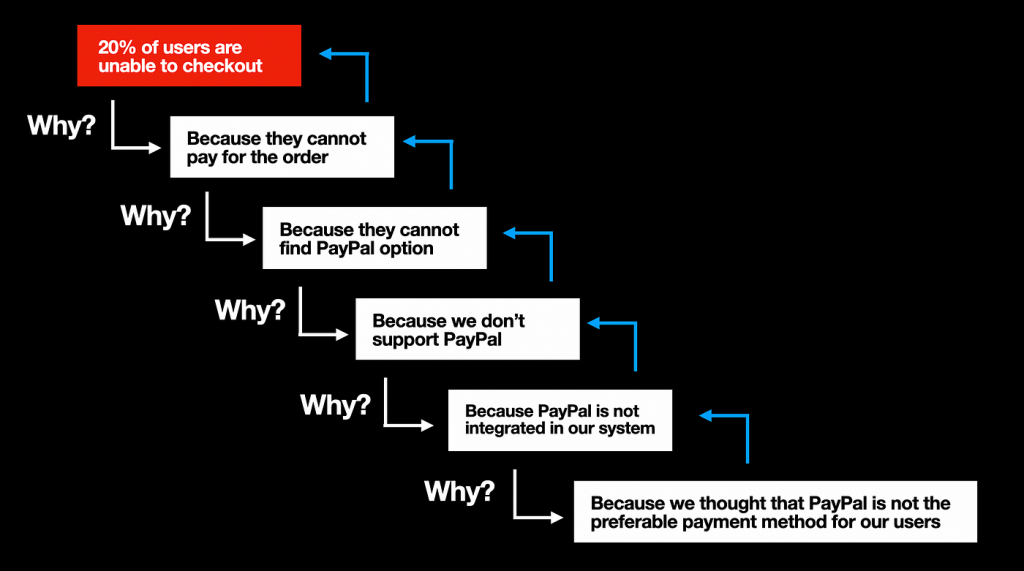
The Five Whys
In a typical 1-on-1 interview, the designer should ask the client a total of five whys to get to the root of an issue or experience with a product. This keeps the discussion open-ended and without bias from the designer, which allows the customer to dig deeper into how they feel toward a product or service. It is important for the designer to let the client lead the conversation; giving personal input may sway the customer’s opinion.
If you were to ask a client how they feel about a product and they respond simply, encourage them to give more detail by simply asking why they feel that way.
Shadowing
This method immerses the designer into the lives of customers and staff through observation. Simply put, the designer acts as a fly on the wall. There is little to no interaction between the designer and typical patrons. Designers are present in the environment they are designing for without the pressure of directly participating.
Service Safari
This method, coined by Ale Wiecek at Sqr One, involves the designer going “into the wild” to experience the customer journey first hand. By fully experiencing the process a customer must go through, designers can gain direct insight on how the user is feeling and what they might be thinking. This empathy research method is all about putting yourself into someone else’s shoes and taking on the role of your client.
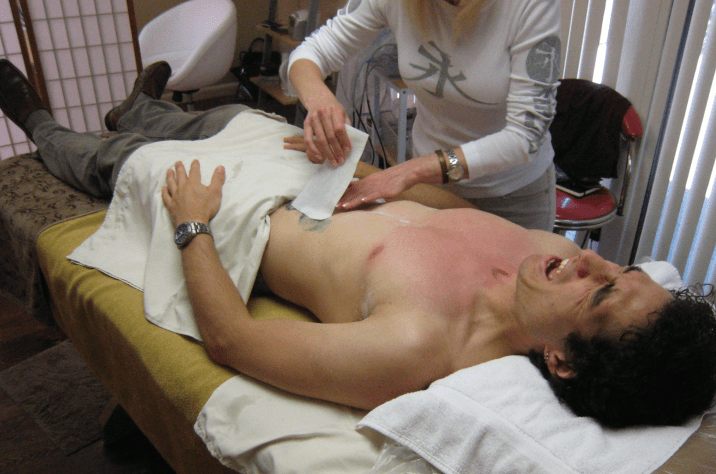
For example, a designer from IDEO volunteered to get his chest waxed to better understand a wounded person’s experience with medical dressings and anticipated pain. Although this is an extreme scenario, empathizing with others can sometimes be uncomfortable.
The process of empathizing with others can take many routes, but these methods can be used like a diving board to propel you further into your research. Regardless of the method you decide to start with, remember to put your feelings and experiences aside to open your mind to others’ points of view.
 Rebecca Branton
Leave a comment